Choosing the right jewelry metal is part style, part practicality—and part “how will this feel on my skin every day?”
In this guide, you’ll learn how to match your ideal metal to your sensitivity, lifestyle, aesthetic, maintenance preferences, and budget—so your next piece feels as good as it looks for years to come.
A quick tour of the most common fine jewelry metals
If you’re deciding between a few favorites, start here. These are the metals we most often recommend—and why clients love them.
Metal
Best known for
Wear & durability
Maintenance
Platinum
Rare, naturally white, luxurious weight
Excellent for daily wear; develops a soft patina
Low; occasional polishing if you want shine
18K gold
Rich color, high gold content
Great; slightly softer than 14K
Low–moderate; gentle cleaning and periodic checks
14K gold
Everyday favorite; strong value
Very good; harder than 18K
Low; simple cleaning
Palladium
Lightweight white metal (less common)
Good; similar family to platinum
Low; depends on alloy and finish
Sterling silver
Bright, classic look at a lower price
Fair; best for occasional-to-regular wear
Higher; tarnish control and polishing
Titanium / stainless steel
Modern, durable, often hypoallergenic
Excellent; very scratch resistant (finishes vary)
Very low; simple cleaning
Expert shortcut: If you want a naturally white, truly “forever” metal, consider platinum. If you want classic fine jewelry with more flexibility on price and color, 14K or 18K gold is typically the sweet spot.
1) Skin sensitivity: what’s truly hypoallergenic?
If you’ve ever had earrings irritate your ears or a ring leave redness, the issue is usually not the precious metal itself—it’s the alloy (the small percentage of other metals mixed in for strength).
Platinum — One of the best choices for sensitive skin. It’s typically very well tolerated and is an excellent option for engagement rings and daily-wear pieces.
High-karat gold (18K) — Higher gold content means fewer alloy metals, so it can be a great option if you’re sensitive. (Alloy ingredients still matter, especially in white gold.)
14K gold — A common everyday choice, but it contains more alloy than 18K. Most clients wear it comfortably; if you’re highly reactive, ask about nickel-free alloy options.
White gold — White gold is gold plus whitening alloys, and it’s often finished with rhodium plating for a bright white look. If you’re sensitive, confirm the alloy is nickel-free and know that plating can wear over time.
Sterling silver — Not usually a “nickel issue,” but it can irritate some wearers and it tarnishes, which can bother very sensitive skin in humid conditions.
Titanium — Often a strong choice for sensitivity and active lifestyles, though it’s less traditional in high jewelry settings and can be harder to resize.
2) Lifestyle & durability: match the metal to how you actually live
Be honest about your day-to-day. The best metal for you is the one that keeps up—whether you’re at a desk, traveling weekly, training at the gym, or working with your hands.
For truly everyday wear (rings especially): Platinum and 14K gold are top performers. Platinum is exceptionally durable; 14K gold is a workhorse with excellent value.
If you’re hard on your hands: Consider platinum, 14K gold, or titanium. Softer metals and delicate finishes will show wear faster with frequent contact and impact.
If you plan to resize often (or want future flexibility): Gold and platinum are generally easier to service than alternative metals. Some contemporary metals may have limited resizing options depending on design.
3) Appearance: choose the tone that flatters your skin and your stones
Metal color acts like a frame around a gemstone—and it also changes how the piece reads on your skin.
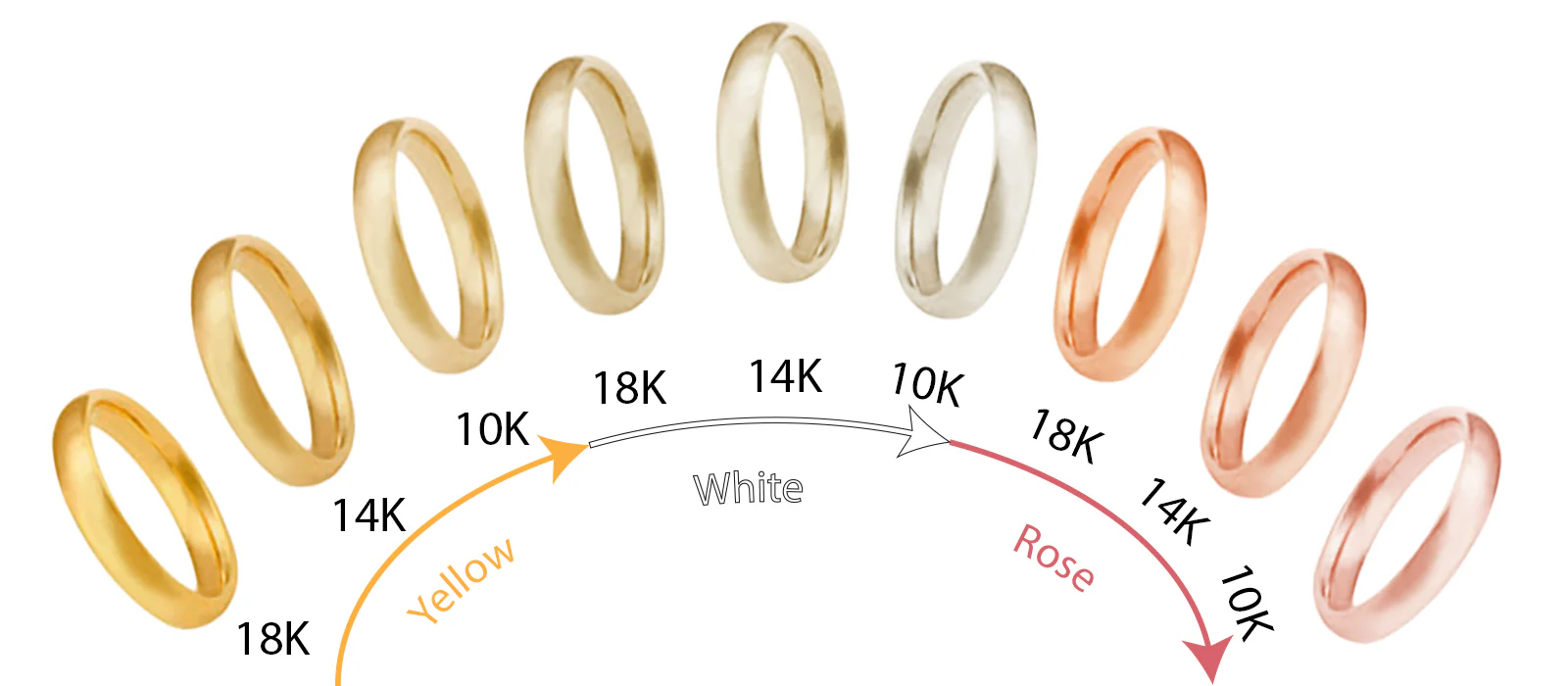
Yellow gold — Warm, classic, and luminous. It complements olive and deeper skin tones beautifully and can make color gemstones feel especially rich.
White metals (platinum, white gold, palladium) — Crisp and modern. They emphasize a “bright” look with diamonds and can make cool-toned stones feel extra icy.
Rose gold — Soft, romantic warmth. It can be especially flattering on fair-to-medium skin tones and pairs beautifully with morganite and blush-toned stones.
If you’re choosing a diamond ring, a helpful general rule is: white metals highlight brightness and contrast, while yellow/rose gold bring warmth and an heirloom feel—but personal style always wins.
Stone-setting note: If your ring has delicate pavé or fine prongs, ask about metal choice for the setting itself. Platinum is prized for secure prongs, while gold offers beautiful color options and excellent serviceability.
4) Maintenance: shine, patina, and what “low upkeep” really means
All fine jewelry benefits from occasional professional inspection—especially rings. Still, different metals age differently, and it’s smart to choose the finish you’ll enjoy long-term.
Platinum — Tends to develop a soft, satiny patina over time rather than losing metal. Many clients love this lived-in luxury; polishing can restore high shine whenever you want.
Gold (14K/18K) — Maintains its color and is easy to clean. High-polish finishes may show surface scratches with wear, especially on rings, but are easy to refresh.
White gold — Expect periodic rhodium replating if you want a bright, mirror-white look. Without replating, it may appear slightly warmer depending on the alloy.
Sterling silver — The highest maintenance on this list. It can tarnish with humidity, skincare, perfume, and storage conditions, so it needs more frequent polishing and proper storage.
5) Budget: where to invest (and where you can be flexible)
Your budget isn’t just about the metal price—it’s also about long-term wear and service. Here’s a simple way to think about value.
Highest investment: Platinum (rare, dense, and prestigious). Ideal if you want a naturally white metal with exceptional longevity for daily wear.
Luxury sweet spot: 18K gold (higher gold content, rich color). A beautiful choice when color and prestige matter most.
Best everyday value: 14K gold (durable and typically more accessible than 18K or platinum). An excellent option for engagement rings and daily staples.
Most budget-friendly: Sterling silver (gorgeous, but expect more upkeep and a shorter “always-perfect” window with heavy wear).
If you’re deciding between two options, ask yourself: Which metal will I still love after thousands of wears? Sometimes the best “value” is the metal that fits your life so well you never take it off.
Conclusion: your best metal is the one that fits your life—and your taste
When in doubt, focus on the essentials: sensitivity (how your skin reacts), durability (how you wear your jewelry), and maintenance (how you want it to age). From there, choose the tone that makes you feel most like yourself—and the budget that supports your long-term plans.
To make your decision simple, use this quick checklist before you purchase:
I know whether I need a hypoallergenic or nickel-free option
I’ve matched the metal’s durability to my lifestyle (work, gym, travel, hands-on tasks)
I’ve chosen a color (yellow/white/rose) that complements my skin tone and wardrobe
I’m comfortable with the maintenance (rhodium replating, polishing, tarnish control)
The metal choice fits my budget today and still feels worth it long-term
If you’d like a personalized recommendation, our team at Engels Jewelry Company can help you compare options side by side—from metal tone to wearability—so you can choose with confidence.